
Buying Guide
Automated Endoscope Reprocessor Buying Checklist for Clinics and Hospitals
A practical checklist for comparing automated endoscope washer-disinfectors by scope volume, room utilities, workflow control, and documentation needs.
Endoscope reprocessors are usually selected under pressure: infection-control expectations are high, staff time is limited, and buyers need to know quickly whether a unit fits their room and daily scope turnover.
That is why a good comparison starts with workflow and utilities, not with cabinet dimensions alone. Scope count, room drainage, chemistry handling, documentation output, and operator routine all shape whether a model is actually suitable.
This guide is built as a shortlist checklist for buyers who need to structure the decision before requesting a more detailed technical and commercial package.
What to decide first
- Define the scope type, expected daily reprocessing volume, and whether single- or dual-scope workflow is needed.
- Confirm room utilities early, including drainage, power, chemistry handling, and any documentation or print-output expectation.
- Clarify whether the main buying motive is infection-control consistency, labor reduction, or throughput expansion, because those lead to different shortlist choices.
What to compare between reprocessor models
- Compare scope capacity, automation depth, chemical handling logic, and how clearly the unit supports repeatable daily workflow.
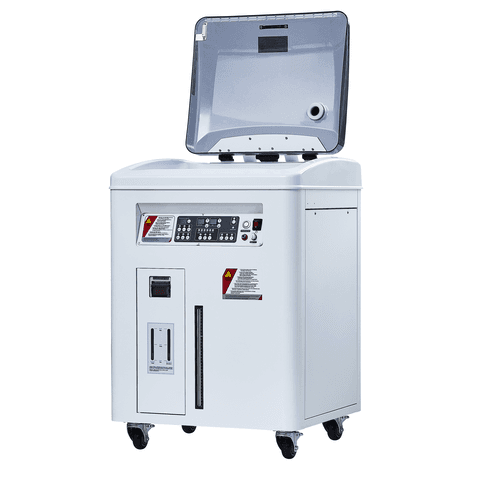
- Review included accessories such as printer or air-gun support if those matter to the room's documentation or drying routine.
- Check whether the model matches the operator pattern of the facility rather than assuming a larger or more feature-rich system is always better.
What should appear in the quotation request
- Describe the facility type, scope mix, daily volume, room utilities, and whether the buyer needs standard accessories reflected in the proposal.
- Request workflow diagrams, utility requirements, and standard-versus-optional scope in one package.
- If the project is for distributor resale, include the target market and any local documentation expectation for reprocessing equipment.
Related Manufacturers

Guide FAQ
- What is the most important first step when comparing endoscope reprocessors?
- The most important first step is defining real scope volume, scope type, and room utility constraints. Without that context, model comparisons are usually misleading.
- Should buyers prioritize cabinet size or workflow control?
- Workflow control usually matters more. Cabinet size is relevant, but repeatable processing logic, chemistry handling, and facility fit are what determine whether the unit will work well day to day.
- What should a distributor include in a reprocessor inquiry?
- A distributor should include target market, facility profile, scope volume, utility assumptions, and any local documentation needs so the quotation is aligned with the real end-use case.